Starting off with Roofers in My Area: Questions to Ask Before Hiring, this introduction aims to grab the attention of readers, providing a glimpse into the essential aspects of hiring roofers in your vicinity.
Following this, the subsequent paragraph will delve deeper into the specifics of the topic.
Importance of Hiring Roofers in Your Area
When it comes to roofing projects, hiring local roofers can make a significant difference in the outcome of the job. Here's why it is crucial to choose roofers from your area:
Benefits of Choosing Local Roofers
- Quick Response Time: Local roofers can respond promptly to your inquiries and start working on your project without delays.
- Knowledge of Local Building Codes: Local roofers are familiar with the building codes and regulations in your area, ensuring that your roofing project complies with all requirements.
- Reputation in the Community: Local roofers often have established relationships with suppliers, inspectors, and other professionals in the community, which can lead to better deals and smoother project execution.
How Local Roofers Provide Better Services
- Personalized Attention: Local roofers can provide more personalized attention to your project, addressing your specific needs and preferences with care.
- Knowledge of Local Weather Conditions: Local roofers understand the weather patterns in your area and can recommend the best roofing materials to withstand the climate.
- Ongoing Support: In case of any issues or repairs needed after the project is completed, local roofers are easily accessible for ongoing support and maintenance.
Qualifications and Experience
When looking to hire a roofer, it is crucial to consider their qualifications and experience. These factors play a significant role in ensuring that the job is done correctly and efficiently.
Key Qualifications to Look for in a Roofer
- License: A reputable roofer should have a valid license to operate in your area. This ensures that they have met the necessary requirements set by local authorities.
- Insurance: It is essential that the roofer carries liability insurance to protect both you and their workers in case of any accidents or damages during the project.
- References: Ask for references from past clients to get an idea of the roofer's work quality and professionalism.
The Importance of Experience When Hiring a Roofer
Experience is a crucial factor when hiring a roofer as it directly impacts the quality of work. An experienced roofer is likely to have encountered a variety of roofing issues and knows how to handle them efficiently. They can also provide valuable insights and recommendations based on their past projects.
Role of Certifications and Training in Determining a Roofer’s Expertise
- Certifications: Roofers with certifications from reputable organizations demonstrate a commitment to ongoing education and training in the latest industry standards and practices.
- Training: Ongoing training helps roofers stay updated on new roofing materials, techniques, and safety protocols, ensuring that they deliver high-quality work that meets current industry standards.
Insurance and Licensing
When hiring a roofer, it is crucial to ensure they have proper insurance coverage and the necessary licenses. This not only protects the roofer but also provides security for the homeowner in case of any unforeseen incidents.
Types of Licenses
Roofers should have the following types of licenses:
- A general contractor's license, which allows them to work on roofing projects legally.
- A roofing contractor's license, specifically for roofing work, ensuring they have the expertise in this area.
- Local permits or licenses required by the city or state to operate as a roofer.
Importance of Insurance
Having insurance coverage is essential for both the roofer and the homeowner:
- Insurance protects the roofer in case of accidents or injuries while working on the project.
- It also safeguards the homeowner from liability in case of any damages or injuries that occur during the roofing job.
Pricing and Quotations
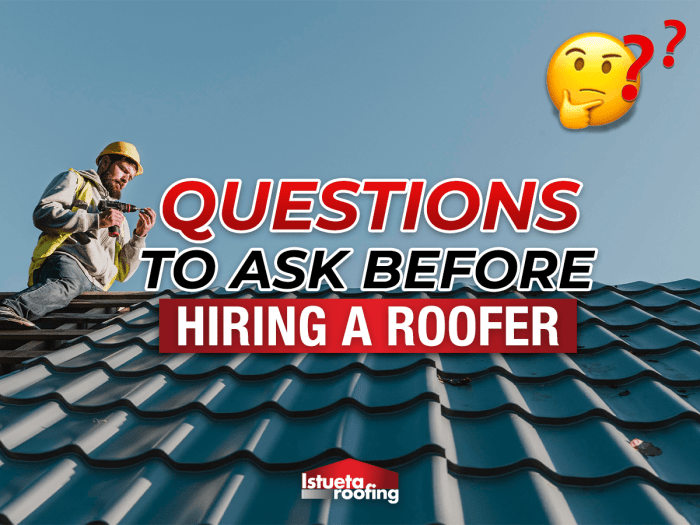
When it comes to hiring a roofer, understanding pricing and quotations is crucial in making an informed decision. Here, we will provide tips on how to compare quotes from different roofers, discuss the factors that can influence pricing in roofing projects, and explain the importance of transparency in pricing to avoid hidden costs.
Tips for Comparing Quotes
- Request detailed quotes: Make sure the quotes you receive Artikel all the costs involved in the project, including materials, labor, and any additional fees.
- Compare apples to apples: Ensure that the quotes you are comparing are for the same scope of work and quality of materials to get an accurate comparison.
- Check for warranties: Look for any warranties or guarantees included in the quotes to assess the value and reliability of the roofer's work.
Factors Influencing Pricing
- Roof size and complexity: The size and complexity of your roof will directly impact the cost of the project, as larger or more intricate roofs require more materials and labor.
- Material quality: The type and quality of materials used can significantly affect pricing, with premium materials costing more upfront but potentially saving money in the long run.
- Location: Local labor rates, building codes, and accessibility to your property can all influence pricing, so it's essential to consider these factors when comparing quotes.
Importance of Transparency in Pricing
- Prevents surprises: Transparent pricing helps you avoid unexpected costs during the project, ensuring that you stay within your budget.
- Builds trust: When a roofer is upfront about their pricing and any potential additional fees, it establishes trust and credibility in their services.
- Avoids disputes: Clear and transparent pricing can prevent disputes or misunderstandings between you and the roofer, leading to a smoother and more successful project.
Materials and Quality
When it comes to roofing projects, the materials used play a crucial role in determining the overall quality and longevity of your roof. It's essential to understand the different types of roofing materials available, their advantages and disadvantages, and how to ensure that your roofer is using high-quality materials for your project.
Types of Roofing Materials
- Asphalt Shingles: One of the most popular choices due to their affordability and variety of colors. However, they may not be as durable as other materials.
- Metal Roofing: Known for its longevity and energy efficiency, metal roofing can be more expensive but offers great durability.
- Wood Shingles: Provide a natural look and excellent insulation, but they may require more maintenance and are prone to fire hazards.
- Tile Roofing: Offers a unique aesthetic appeal and is extremely durable, but it can be heavy and costly to install.
- Slate Roofing: Known for its elegance and longevity, slate roofing is one of the most durable materials available, but it comes with a higher price tag.
Importance of High-Quality Materials
Using high-quality materials in your roofing project ensures that your roof will withstand harsh weather conditions, resist damage, and have a longer lifespan. Quality materials also contribute to the overall energy efficiency of your home, reducing heating and cooling costs in the long run.
Ensuring Quality Materials
- Ask your roofer about the specific brands and types of materials they plan to use for your project.
- Request information about the durability and warranty of the materials being used.
- Ensure that the materials meet industry standards and are suitable for the climate in your area.
- Consider getting samples or visiting a showroom to see the materials in person before the installation begins.
Timelines and Project Management

Setting clear timelines for roofing projects is crucial for ensuring a smooth and successful process. It helps in managing resources effectively, coordinating various tasks, and meeting deadlines. Effective communication with roofers regarding project timelines is essential to avoid delays and misunderstandings.
Here are some tips on how to communicate effectively and ensure timely completion:
Importance of Setting Clear Timelines
- Clear timelines help in planning and organizing the project efficiently.
- It allows all parties involved to have a clear understanding of the project schedule.
- Timelines help in identifying potential issues or delays early on and finding solutions proactively.
- Meeting deadlines boosts the overall success and satisfaction of the roofing project.
Tips for Effective Communication
- Discuss and agree upon realistic timelines with your roofer before the project begins.
- Regularly communicate and update each other on the progress of the project.
- Address any concerns or delays promptly to avoid setbacks.
- Utilize project management tools or software to track and monitor the project timeline.
Role of Project Management
Project management plays a vital role in overseeing the entire roofing project from start to finish. It involves:
- Planning and scheduling tasks to ensure timely completion.
- Coordinating with different contractors and suppliers involved in the project.
- Monitoring progress and addressing any issues that may arise during the project.
- Ensuring that the project stays within budget and meets quality standards.
Concluding Remarks
Concluding the discussion on Roofers in My Area: Questions to Ask Before Hiring, this final paragraph will encapsulate the key points discussed, leaving a lasting impact on the readers.
Top FAQs
What qualifications should I look for in a roofer?
Look for certifications, experience, and a solid track record of successful projects.
Why is it important to use high-quality materials in roofing projects?
High-quality materials ensure the longevity and durability of your roof, offering better protection in the long run.
How can I effectively communicate project timelines with roofers?
Set clear expectations from the beginning and maintain open communication throughout the project to avoid any delays.