When it comes to making decisions about your roof, understanding how to compare estimate proposals is essential. This guide will walk you through the key elements to consider, the importance of analyzing different estimates, and strategies for evaluating cost variations.
Let's dive in!
Importance of Comparing Roof Estimate Proposals
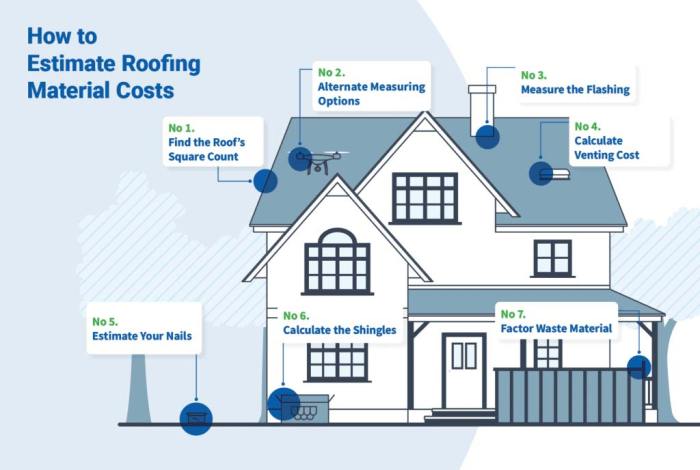
When it comes to undertaking a roofing project, comparing estimate proposals from multiple contractors is essential to ensure you make an informed decision. Here's why it's crucial:
Key Elements to Consider
Before choosing a roofing contractor, it's important to evaluate the following key elements in their estimate proposals:
- Price: Compare the total cost and breakdown of expenses to ensure it aligns with your budget.
- Materials: Check the quality and type of materials specified to ensure they meet your standards.
- Timeline: Evaluate the proposed timeline for the project to ensure it fits your schedule.
- Warranty: Look for warranty details to understand the coverage and duration offered.
- Insurance: Verify that the contractor has proper insurance coverage to protect you from liability.
Benefits of Analyzing Estimates
By analyzing and comparing different roof estimate proposals, you can:
- Make an Informed Decision: Comparing proposals helps you make a well-informed decision based on various factors.
- Get the Best Value: By evaluating costs and materials, you can ensure you get the best value for your investment.
- Ensure Quality Work: Assessing timelines, materials, and warranties can help you choose a contractor known for quality work.
- Avoid Surprises: Comparing estimates can help you avoid unexpected costs or delays during the project.
Understanding the Components of a Roof Estimate Proposal
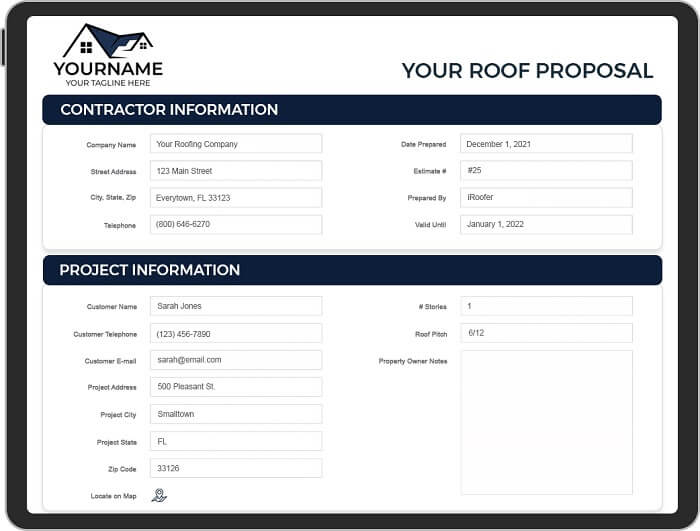
When reviewing a roof estimate proposal, it is important to understand the various sections included and the key details provided. A well-structured proposal can help you make informed decisions about your roofing project.One of the typical sections you will find in a roof estimate proposal includes:
Materials
- Details of the materials to be used, including brand, type, and quantity.
- Quality of materials and any specific features that may impact the overall cost.
- Cost breakdown of materials to give you a clear idea of expenses.
Labor Costs
- Breakdown of labor costs, including hourly rates or flat fees.
- Number of laborers involved and estimated hours for completion.
- Any additional charges for specialized labor or unforeseen circumstances.
Timelines
- Projected start and completion dates for the roofing project.
- Key milestones and deadlines to ensure timely progress.
- Any factors that could potentially delay the project and how they will be addressed.
Warranties
- Details of warranties provided for materials and workmanship.
- Duration of warranties and what they cover in case of defects or issues.
- Instructions on how to claim warranties and the process involved.
Clear and transparent details in a roof estimate proposal can greatly impact your decision-making process. It helps you compare different proposals effectively, understand the scope of work, and assess the overall value offered by each contractor. By having a comprehensive view of the materials, labor costs, timelines, and warranties, you can make an informed choice that aligns with your budget and expectations.
Factors to Consider When Comparing Roof Estimate Proposals
When comparing roof estimate proposals, it is crucial to consider various factors that can impact the overall quality and cost of your roofing project. By evaluating prices, materials, workmanship guarantees, contractor reputation, experience, licenses, insurance, and certifications, you can make an informed decision that meets your needs and budget.
Price Comparison
- Compare the total costs provided in each estimate, including labor, materials, and any additional fees.
- Avoid choosing the lowest bid without considering the quality of materials and workmanship.
- Look for transparency in pricing to ensure you are getting a fair and accurate estimate.
Quality of Materials and Workmanship Guarantees
- Review the types of materials proposed by each contractor and assess their quality and durability.
- Inquire about warranties or guarantees on both materials and workmanship to ensure long-term protection for your roof.
- Choose a contractor who uses high-quality materials and offers reliable guarantees for their work.
Reputation and Experience of Roofing Contractors
- Research the reputation of each roofing contractor by checking online reviews, testimonials, and references.
- Consider the experience of the contractors in handling similar roofing projects to ensure they have the expertise required.
- Ask for proof of successful projects or certifications to validate their skills and reputation.
Licenses, Insurance, and Certifications
- Verify that each contractor holds the necessary licenses and permits required to operate in your area.
- Ensure that the contractor has liability insurance and workers' compensation coverage to protect you from any liabilities during the project.
- Check for certifications from manufacturers or industry associations, which indicate the contractor's commitment to quality and professionalism.
Analyzing Cost Discrepancies in Roof Estimate Proposals
When comparing roof estimate proposals, it's crucial to carefully analyze any cost discrepancies that may exist between different bids. Understanding the reasons behind these variations can help you make an informed decision and choose the best option for your roofing project.
Strategies for Evaluating Cost Variations
- Compare the breakdown of costs: Look closely at how each proposal itemizes the costs involved. Make sure all necessary components are included and there are no hidden fees.
- Consider quality of materials: Cheaper bids may use lower quality materials, which can lead to more frequent repairs or replacements in the long run. Factor in the quality when evaluating costs.
- Ask for clarification: If there are significant differences in pricing, don't hesitate to ask the contractors to explain the reasons behind their quotes. This can help you understand the discrepancies better.
Identifying Hidden Costs
- Check for additional services: Some contractors may include extra services or materials in their proposal, which can add to the overall cost. Make sure to review these carefully.
- Consider labor costs: Labor expenses can vary greatly between contractors. Ensure that the labor costs are clearly Artikeld in each proposal to avoid any surprises later on.
- Factor in permits and inspections: Depending on the scope of the project, permits and inspections may be required, adding to the overall cost. Confirm if these are included in the estimates.
Impact of Choosing the Lowest Bid
- Quality compromise: Opting for the lowest bid may mean sacrificing quality and durability. Cheaper materials or rushed workmanship could lead to costly repairs down the line.
- Hidden charges: Contractors offering significantly lower bids may later introduce hidden charges or unexpected fees, which can inflate the final cost of the project.
- Lack of comprehensive services: A lower bid may not include all the necessary services or components needed for a successful roofing project. Ensure all essential aspects are covered before making a decision based solely on price.
Final Wrap-Up
By now, you should have a solid grasp on how to compare roof estimate proposals effectively. Remember to consider not just the costs but also the quality of materials, workmanship guarantees, and contractor reputation. Armed with this knowledge, you can make an informed decision for your roofing project.
Essential Questionnaire
What should I look for when comparing roof estimate proposals?
When comparing proposals, consider elements like materials quality, labor costs, workmanship guarantees, contractor reputation, and licensing.
How do I identify hidden costs in roof estimate proposals?
To spot hidden costs, carefully review each proposal for any vague language, exclusions, or potential additional charges not explicitly mentioned.
Is it wise to always choose the lowest bid for a roofing project?
Not necessarily. Choosing the lowest bid could mean sacrificing quality or missing out on comprehensive services offered by a slightly higher bid. Consider all factors before making a decision.